
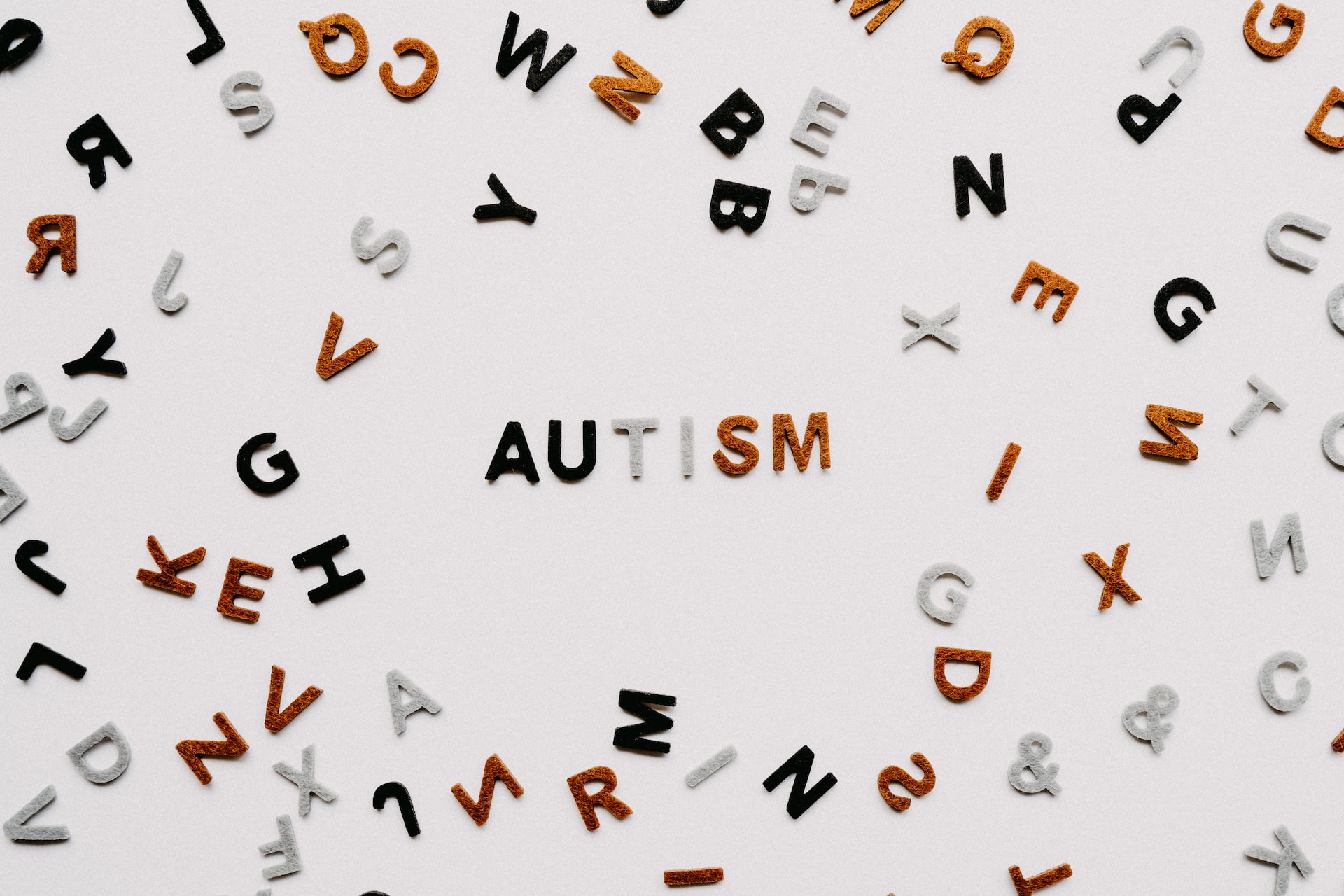
There are many misconceptions about Autism, its causes, and the treatment and care for people on the spectrum, especially young children. It is important for parents, teachers, caregivers, and the general public to have an accurate understanding of Autism so that we can reduce the stigma attached to this disability.
Autism Spectrum Disorder (ASD) is a developmental disability that is caused by certain differences in the brain. Scientists believe that there may be multiple contributing factors that may increase a child’s chances of having ASD, including environmental, biological, and genetic factors.
About 1 in 44 children have been found to have autism spectrum disorder, according to the CDC. ASD is not limited to racial, ethnic, or social-economic groups and is found to be 4 times more common among boys than girls.
Common signs of Autism
Some common signs of ASD include communication and behavioral abnormalities, and they may also learn and interact differently from most other people. They typically don’t present physical differences or abnormalities in their appearance, which would set them apart from other people.
It is, however, important to note that ASD is a spectrum disorder, and hence, different people may present with different or varying degrees of symptoms. For example, some people with ASD may present with advanced conversation skills, while on the other hand, others may be nonverbal.
Common myths about autism spectrum disorder
- Autism is a disease – This is a major common misconception associated with ASD, and it leads people to believe that autism can be cured. People with ASD are not sick and cannot be ‘cured’ with medicine or therapy. While therapy helps to improve certain symptoms of ASD and helps people to assimilate more comfortably into society, it will not cure the disorder.
- Vaccines cause ASD – This misconception was birthed from an inaccurate study that was later debunked due to the research not being up to scientific standards. This myth has prevailed for decades and has pushed a narrative that isn’t only false but also harmful.
- Autism rates are increasing – Some people believe that autism is becoming an epidemic. The truth is, as we become more aware and knowledgeable about ASD, more people are being diagnosed at an earlier age. This has increased the number of people being diagnosed with ASD, but not because autism is suddenly becoming more widespread.
- People with ASD are nonverbal and have an intellectual disability – While there are people on the spectrum who are indeed non-verbal, there are some who are not. People communicate in different ways, and being non-verbal does not automatically mean you have an intellectual disability.
Autism is not an intellectual disability; in fact, some people with ASD have much higher IQs than people who don’t. The autism spectrum is wide and doesn’t have a one-size-fits-all model.
It is important to remember that studies into ASD are still ongoing, and new therapy and treatments are being developed every day. Understanding the disorder and debunking the myths will help to clear the way for truth in a way that will help people with ASD and their families.
Photo by Annie Spratt on Unsplash